
Offshore engineering without the usual compromises.
Most offshore horror stories come from the same three failures: unclear scope, invisible progress, and code nobody can maintain afterwards. Each one is preventable and each one is a choice.
Why teams in clients hiring offshore work with us.
Hiring offshore is a reasonable commercial decision that frequently goes badly, and the reasons are consistent enough to be worth naming. Scope was never written down properly. Progress was reported rather than demonstrated. And the code that arrived at the end could not be maintained by anyone else.
None of those are inherent to working across borders. They are what happens when a team is optimising for winning the contract rather than for the client still being happy in a year. We have inherited enough of these projects to know the pattern.
Our position is straightforward. Written scope with line items before anything starts. A build every week that you open yourself rather than a status email. Documentation written for engineers who were not on the project. If those three things are in place, offshore is simply engineering.
Scope written before code
A brief with line items and a realistic timeline, produced after discovery. If scope changes we raise it before the work happens, not when the invoice arrives.
Progress you verify yourself
A build lands on staging every week. You open it and form your own view rather than trusting a percentage in an email.
Code your next engineer can read
Mainstream stacks chosen deliberately so your future hires already know them, with documentation aimed at someone who was not involved.
Products still in commercial use
Our dispatch and monitoring platforms run daily for operators in the UK and UAE. Maintained, not delivered and forgotten.
Services for offshore engagements clients.
Dedicated development team
Ongoing engineering capacity on a monthly retainer, working as an extension of your team rather than a black box.
Fixed scope project delivery
A defined build with a written breakdown, fixed price and an agreed timeline. Suited to work where the requirements are clear.
Mobile development
Flutter across Android and iOS from one codebase, plus native work where a platform specific requirement demands it.
Web and SaaS platforms
Next.js and Node.js applications, multi tenant architecture, billing, permissions and the admin tooling that comes with them.
AI integration
OpenAI, Claude and Gemini built into live products, with cost modelling at your expected volume rather than at demo scale.
Taking over existing projects
Auditing and continuing work another team started, including an honest assessment of whether continuing is the right call.
Projects already in production.
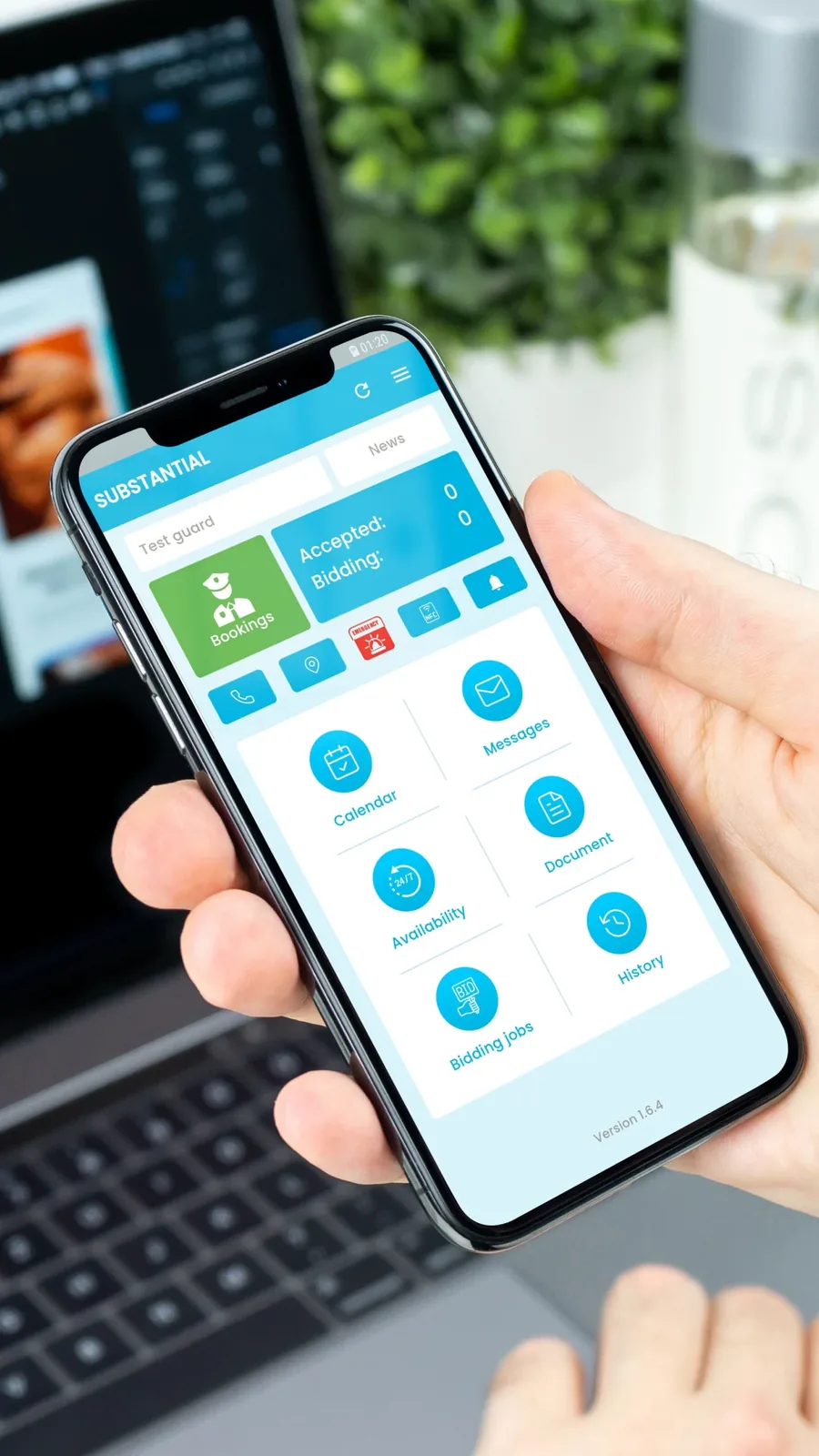
Guard patrol platform with live GPS tracking, patrol scheduling and incident reporting. Deployed to security firms across the UK.
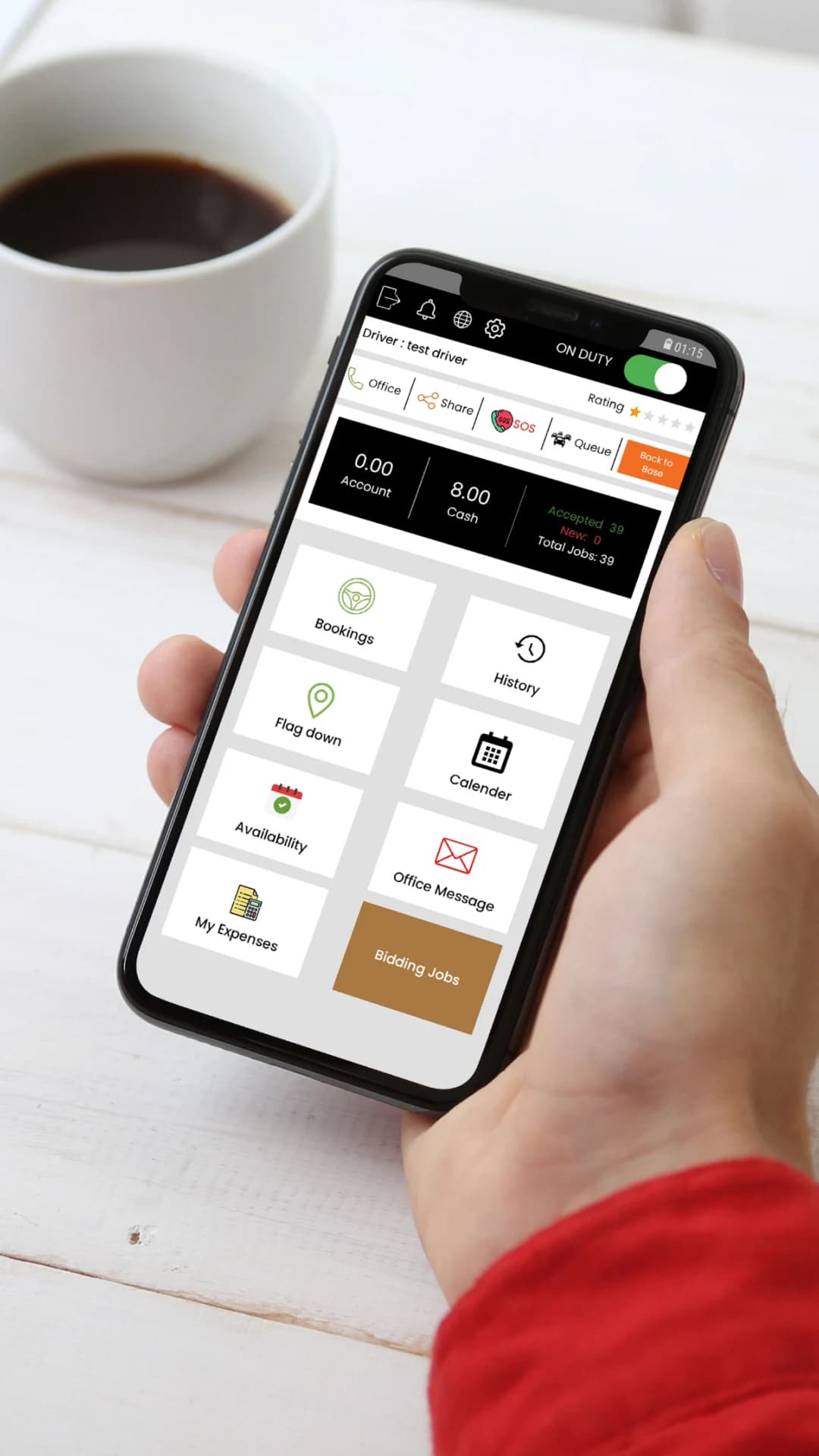
Taxi dispatch system for a UK operator. Real time job allocation, driver management and automated earnings reporting.
Multi tenant AI assistant with custom knowledge bases, conversation memory and multi channel deployment.
How engagements with offshore engagements clients run.
Offshore works when the process is deliberate, so here is exactly how ours is structured.
Contracts, currency and paperwork
Written agreements invoiced in USD, GBP, EUR or AED. We work under your MSA and sign NDAs before project discussion.
Timezone handled deliberately
Our day overlaps European and Gulf business hours substantially, and reaches the American morning. Async work between calls rather than waiting on meetings.
Start small if you want to
Most long running relationships here began with one contained project. Evaluating a team on something small is sensible and we prefer to earn the rest.
Complete handover
Source code, documentation, architecture notes and deployment access transfer at completion. No lock in of any kind.
Working with us from offshore engagements.
What usually goes wrong with offshore development?
Three things, consistently. Scope that was never written down, progress that was reported rather than shown, and code nobody else can maintain. All three are preventable and we address each deliberately.
How do we know work is actually progressing?
A build lands on a staging environment every week and you open it yourself. Verification beats reporting, and it removes the need to trust a status update.
What about the timezone difference?
Our working day overlaps European and Gulf hours substantially and reaches the American morning. Calls are scheduled in your day and work continues asynchronously between them.
Who owns the code?
You do, entirely. Source, documentation and deployment access transfer at completion. No licensing arrangement and no dependency on us for future changes.
Can we start with a small project to evaluate you?
Yes, and we recommend it. Most of our long running clients began with one contained build before scaling up.
Will you sign an NDA and work under our contract?
Both, routinely. We are comfortable working under your paperwork rather than insisting on ours.
How do you price work?
Fixed price for defined scope, monthly retainer for ongoing capacity. Either way you receive a written breakdown with line items before work begins, not a range.